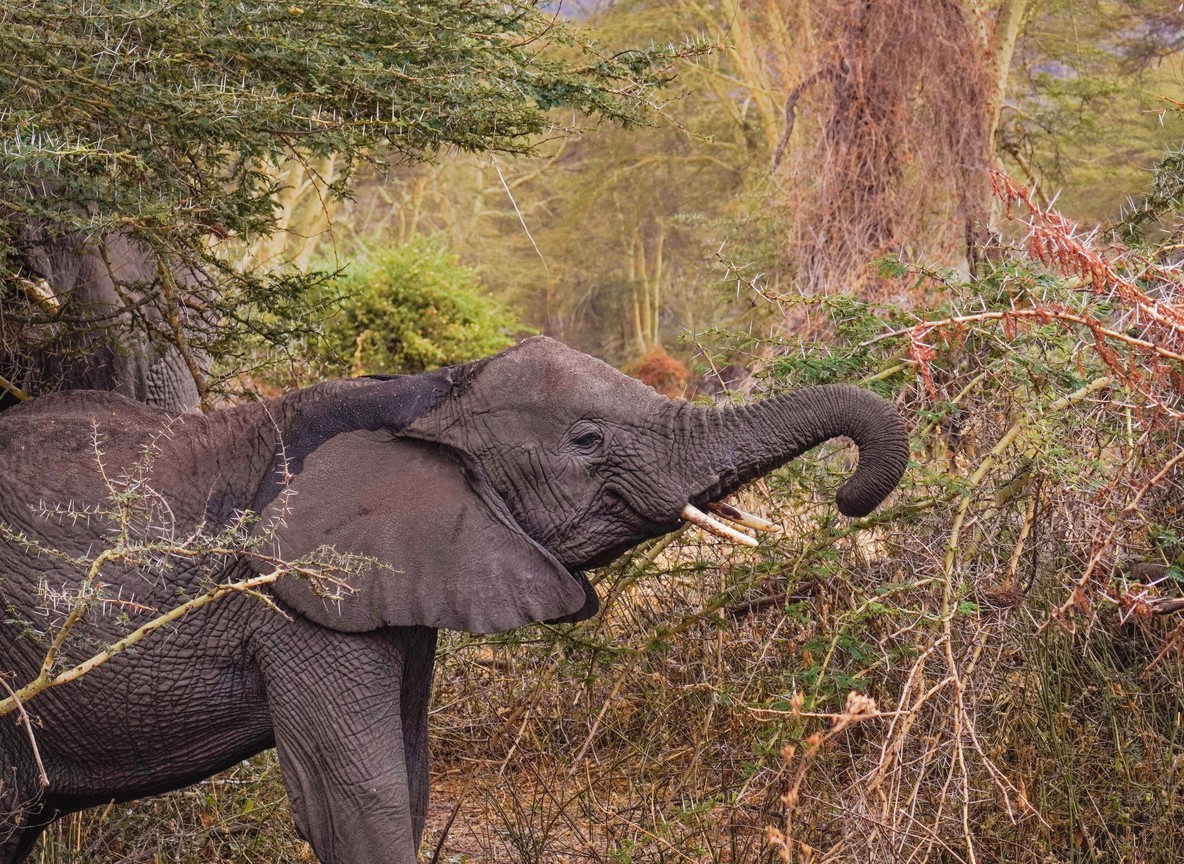
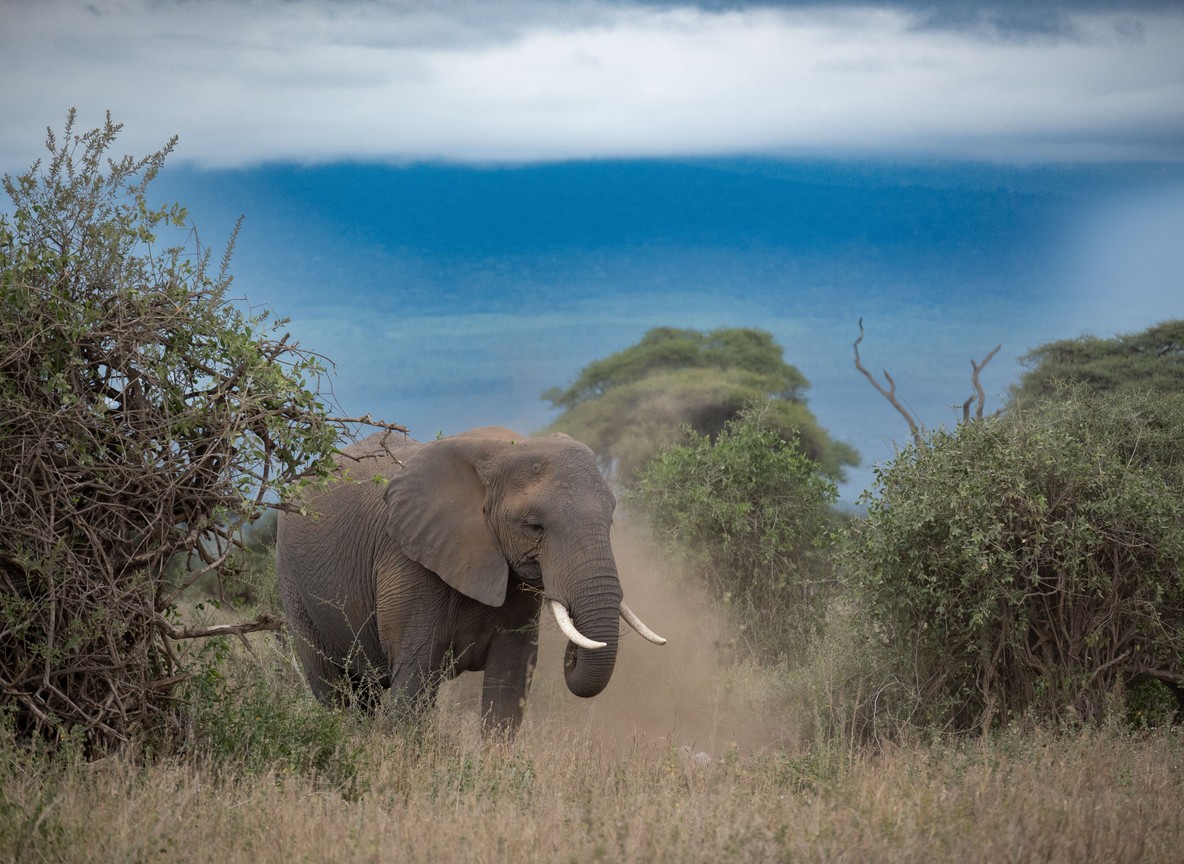
Both a budget Amboseli safari and a mid-range Amboseli safari can deliver elephants in front of Kilimanjaro, open plains game drives, and real wildlife. The park is the same. What changes between the two price levels is how comfortable you are while experiencing it, how much control you have over your schedule, and how much the logistics get in the way of actually enjoying what you came to see.
Published price bands give a useful starting framework: roughly USD 150 to 300 per person per day for budget safaris and USD 350 to 600 per person per day for mid-range. The gap widens when you look at what those figures actually buy.
Quick Comparison
| Factor | Budget Amboseli safari | Mid-range Amboseli safari |
|---|---|---|
| Typical published band | USD 150 to 300 pp/day | USD 350 to 600 pp/day |
| Vehicle style | Often shared or simpler setup | Usually private or more comfortable setup |
| Stay style | Basic camp, lodge, or practical room | Better rooms, service, and setting |
| Best for | Cost-conscious travelers | Travelers wanting better comfort and flexibility |
| Main trade-off | Less privacy and polish | Higher price than entry-level |
What a Budget Amboseli Safari Normally Looks Like
A budget Amboseli safari focuses on the essentials: road transfer from Nairobi, a practical room or tent, straightforward meals, and access to the park for game drives. It does not pretend to be more than that, and when expectations are aligned, it can still be a satisfying experience.
The park is accessible by road from Nairobi in about four to five hours, which keeps entry-level costs lower than fly-in circuits. That accessibility is part of why Amboseli is one of the most affordable parks in Kenya for first-time budget travelers.
Budget Amboseli safaris tend to work well for:
- Students and younger travelers for whom being in the park matters more than camp atmosphere
- Families who need to manage total trip cost across several destinations
- Guests adding Amboseli to a longer Kenya circuit on a constrained overall budget
- Travelers genuinely comfortable with simpler rooms and less privacy
The honest trade-offs:
- Shared vehicle use limits photography flexibility and the ability to linger at sightings
- Accommodation is often outside the park boundary, adding transfer time each morning
- Less control over departure timing means the best early morning light may be partially missed
- Dietary requirements may not be accommodated reliably
- Meals are practical rather than memorable
None of this prevents seeing wildlife. In Amboseli, even a basic itinerary reaches the elephant herds and the open plains. But it does shape the texture of the experience around them.
What a Mid-Range Amboseli Safari Normally Looks Like
A mid-range Amboseli safari improves four things that affect the daily rhythm of a trip: room quality, vehicle setup, service consistency, and scheduling flexibility.
This is where many travelers start getting the safari they pictured before they booked. You are still price-conscious, but you are not cutting every corner. The camp may be better positioned with a Kilimanjaro-facing setting. The vehicle is more comfortable over rough roads. The guide has more flexibility to stay with a sighting rather than moving on to a schedule.
Mid-range Amboseli safaris tend to work well for:
- First-time safari travelers who want a positive, complication-free experience
- Couples wanting atmosphere and better room quality without luxury pricing
- Families where children need reliable comfort over a long game drive
- Photographers who need flexibility to linger at scenes worth shooting
- Guests who care where they sleep as much as what they see during the day
What improves compared to budget:
- Private or smaller-group vehicle use with better seat positioning
- Accommodation inside the park or at its edge, with earlier game drive access
- Better food quality and more reliable dietary accommodation
- Smoother logistics and more flexible timing around drives and downtime
Where the Difference Shows Most
On the Vehicle
Vehicle style changes the safari experience more than most guests expect before they go.
Budget vehicles are often shared safari vans with pop-up roofs, carrying six to ten passengers. Individual window access for photography is limited. The pace is set by the group, not by each traveler’s interest in a specific scene.
Mid-range setups more often use private vehicles or smaller vehicle configurations with better spacing. Every passenger has direct window or hatch access. The guide can pause as long as the scene warrants. On Amboseli’s rough roads, a well-maintained, properly suspended 4×4 is also noticeably more comfortable over a five-hour drive than an older shared van.
On Accommodation
Accommodation is the most visible dividing line in the price comparison.
Budget stays typically feature simpler rooms, basic bathrooms (sometimes shared), fewer premium views, and accommodation outside the park boundary. Staying outside means paying for entry and the drive each morning, which adds time and cost and often means arriving at game viewing areas later than guests staying inside.
Mid-range stays typically feature larger rooms or tents, better bedding and furnishings, stronger public spaces, and more scenic positioning. Many mid-range camps in Amboseli are located inside the park or at its edge, giving guests immediate morning access to the swamps and open plains where elephants concentrate.
The morning hours from first light until 9am are among the most productive for wildlife and photography in Amboseli. A camp positioned correctly adds those hours to your wildlife time without adding to your transfer cost.
On Game Drive Quality
Both budget and mid-range safaris see wildlife in Amboseli. The park delivers regardless of which vehicle you arrive in.
What mid-range typically improves:
- Earlier departure timing from in-park or near-gate camps
- More comfortable conditions over long drive hours
- More flexibility on how long you stay at a sighting
- Better guide ability to adapt around individual interests
That last point matters most for photographers and for guests on short trips. A two-night Amboseli stay leaves little margin for a rough first day. Smoother logistics and a more flexible guide make a meaningful difference when the window is tight.
Park Fees: What Does Not Change
One thing worth understanding clearly: park fees are a fixed cost that does not change based on safari category. KWS publishes Amboseli entry fees separately, and both budget and mid-range trips carry the same entry structure.
What changes the quote most is accommodation category, vehicle configuration, and whether the package is private or shared. Two itineraries with identical park fees can produce very different totals based on those variables.
Who Each Level Suits Best
Budget Amboseli safari makes the most sense if:
- Your primary goal is being in the park at the lowest realistic spend
- You are comfortable with practical rooms and shared vehicle logistics
- You are protecting a larger overall Kenya budget spread across multiple destinations
- You genuinely do not need a polished camp experience to enjoy a safari
Mid-range Amboseli safari makes the most sense if:
- You want a smoother first safari with fewer logistical compromises
- Room comfort and camp atmosphere matter to you
- You want better food and more flexible guiding
- You are on a short two or three night trip where every hour counts
- You are traveling with children or as a couple where comfort affects enjoyment
For most first-time safari travelers, mid-range is the cleaner choice. The upgrade from budget to mid-range in Amboseli produces the most significant improvement in overall experience quality per additional dollar spent.
Explorer Notes
On the rain variable. Amboseli receives short rains from November to December and long rains from March to May. Budget road camps outside the park can become genuinely difficult to access during heavy rain. Mid-range properties inside the park or at all-weather road locations are more resilient to seasonal road conditions. If you are traveling in or near rainy season, this practical difference is worth factoring in.
On the Kilimanjaro window. The mountain is most often visible at dawn and then clouds over by mid-morning. An in-park or near-gate camp with early departure access captures this window reliably. A budget camp requiring a 45-minute road transfer to the gate typically arrives after the cloud has built.
On family dynamics. Children over eight generally manage Amboseli game drives well regardless of vehicle type. Younger children find long shared drives more difficult. If you are traveling with children under ten, the private vehicle configuration typically available at mid-range makes the daily drive more comfortable for everyone.
On extending the trip. For guests adding Amboseli to a wider Kenya circuit (Masai Mara, Samburu), the Amboseli portion is often the shortest segment. A two-night mid-range stay in Amboseli within a longer budget circuit is a sensible way to protect the overall spend while giving Amboseli the best chance of delivering.
Conclusion
The budget vs mid-range decision in Amboseli is ultimately about how much the logistics and comfort of the trip affect your enjoyment of the wildlife. The park delivers either way. What changes is how smoothly, how early, and how flexibly you experience it.
If price is the hard filter, budget works when expectations are realistic. If you want the strongest balance of value, comfort, and wildlife access, mid-range is the cleaner call for most Amboseli travelers.
What to Read Next
- How to plan an Amboseli safari on a budget
- Best area to stay in Amboseli: location comparison guide
- Amboseli 2-night vs 3-night: how long should you stay?
- Budget vs mid-range Kenya safari: what changes beyond Amboseli
Prefer a different route, budget, or travel style? This plan can be adapted to fit.
Customise Your Trip